
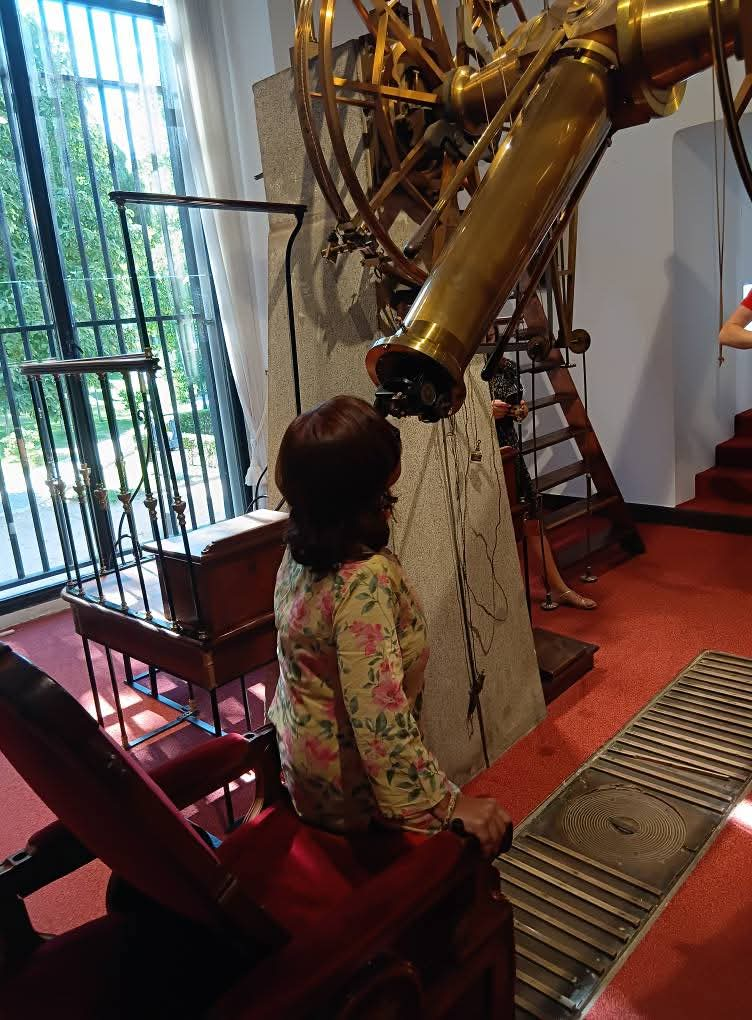
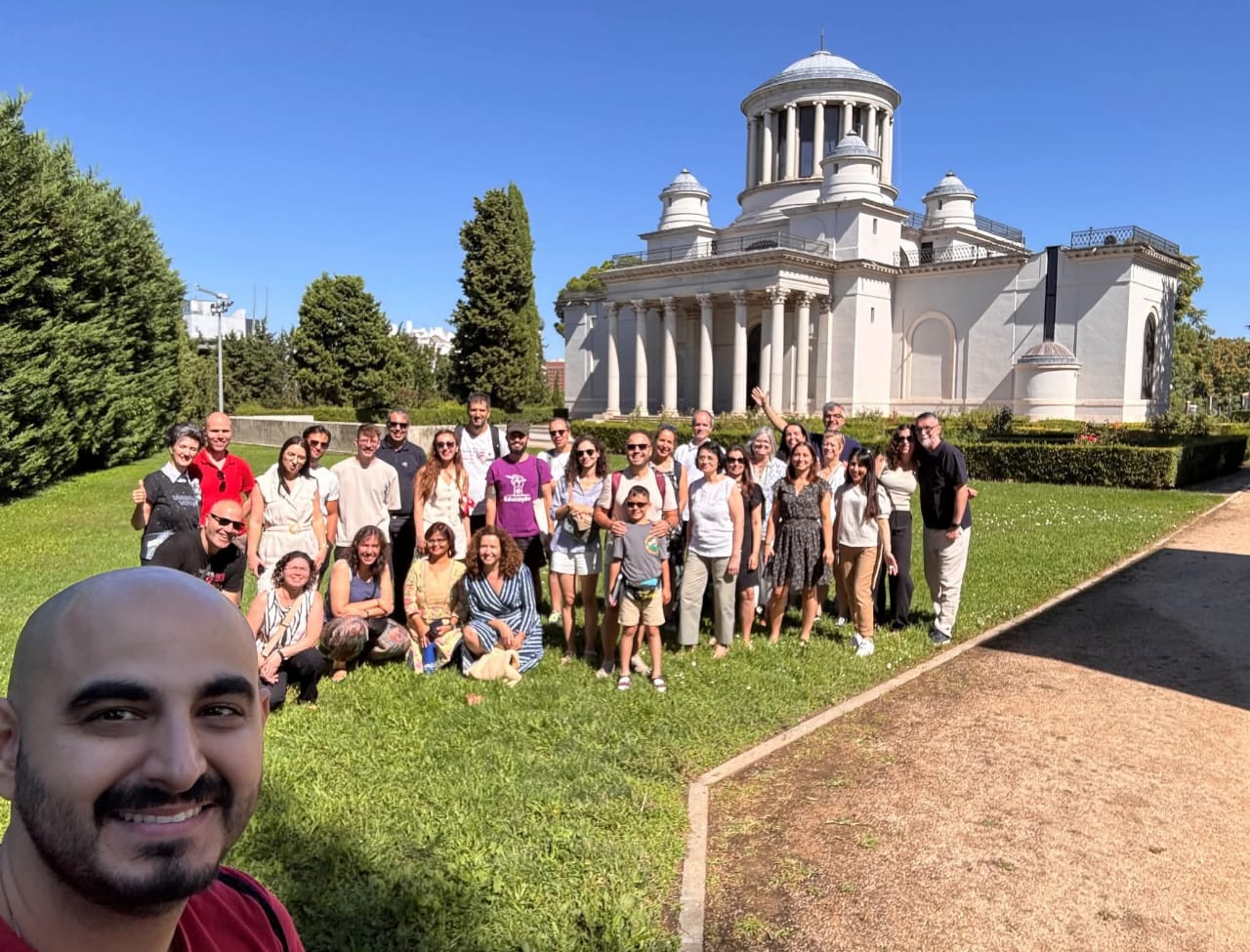
এবছর আমাদের GTTP (Galileo Teacher Training Program) প্রোগ্রামের শেষ দিনটা ছিল বিস্ময়ে ভরা। আমরা এই দিন সুযোগ পেলাম সম্পূর্ণ নিখরচায় প্রায় ২৩৫ বছরের পুরনো স্প্যানিশ অবজারভেটরি ঘুরে দেখার। দেখে আশ্চর্য হলাম, এত বছর আগেও ইউরোপিয়ানরা বিজ্ঞান এবং প্রযুক্তির ক্ষেত্রে কতটা এগিয়ে ছিল।
এটি স্পেনের রাজধানী মাদ্রিদ শহরে কিছুটা উঁচু জায়গায় অবস্থিত, জায়গাটায় পৌঁছতে আমাদের অনেকগুলো সিঁড়ি ভাঙতে হলো। এটি রয়্যাল অবজারভেটরি নামে পরিচিত । (স্প্যানিশ ভাষায় Real Observatorio de Madrid) – এটি স্পেনের বৈজ্ঞানিক ইতিহাসের এক অমূল্য সম্পদ।
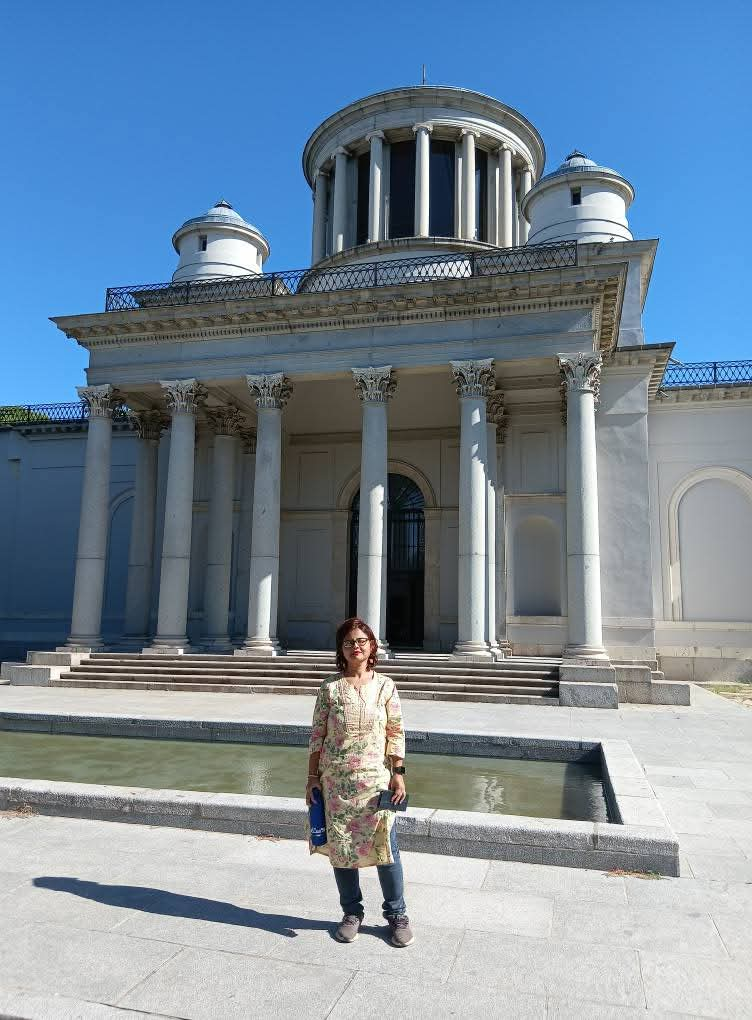
১৭৯০ সালে রাজা চতুর্থ চার্লসের উদ্যোগে প্রতিষ্ঠিত এই পর্যবেক্ষণ কেন্দ্র মূলত নৌ-চলাচল, মানচিত্রাঙ্কন, জ্যোতির্বিজ্ঞান ও আবহাওয়াবিদ্যার গবেষণাকে এগিয়ে নিয়ে যাওয়ার উদ্দেশ্যে গড়ে ওঠে।
এখানে আমরা দেখলাম কিছু অনন্য বৈজ্ঞানিক সম্পদ –
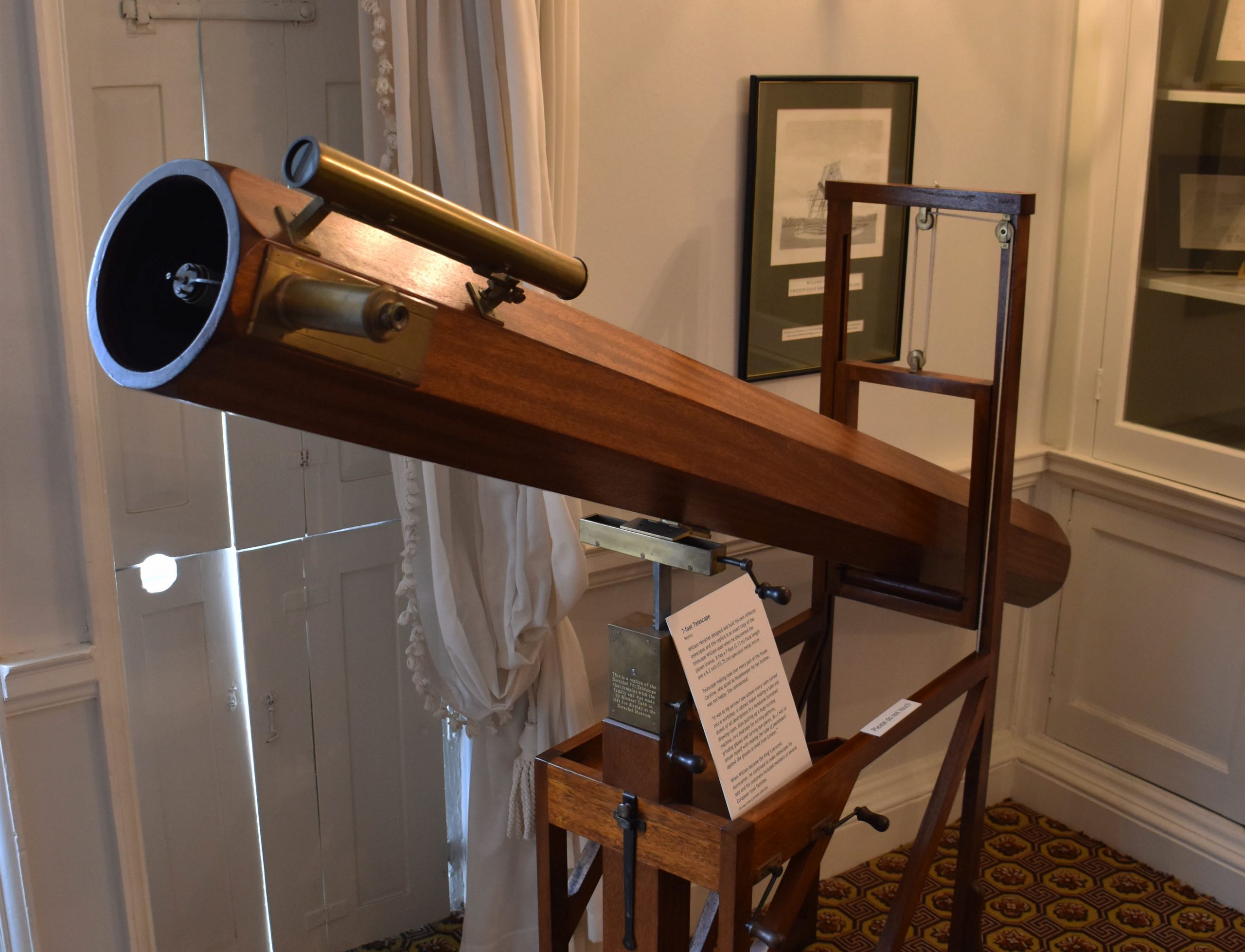
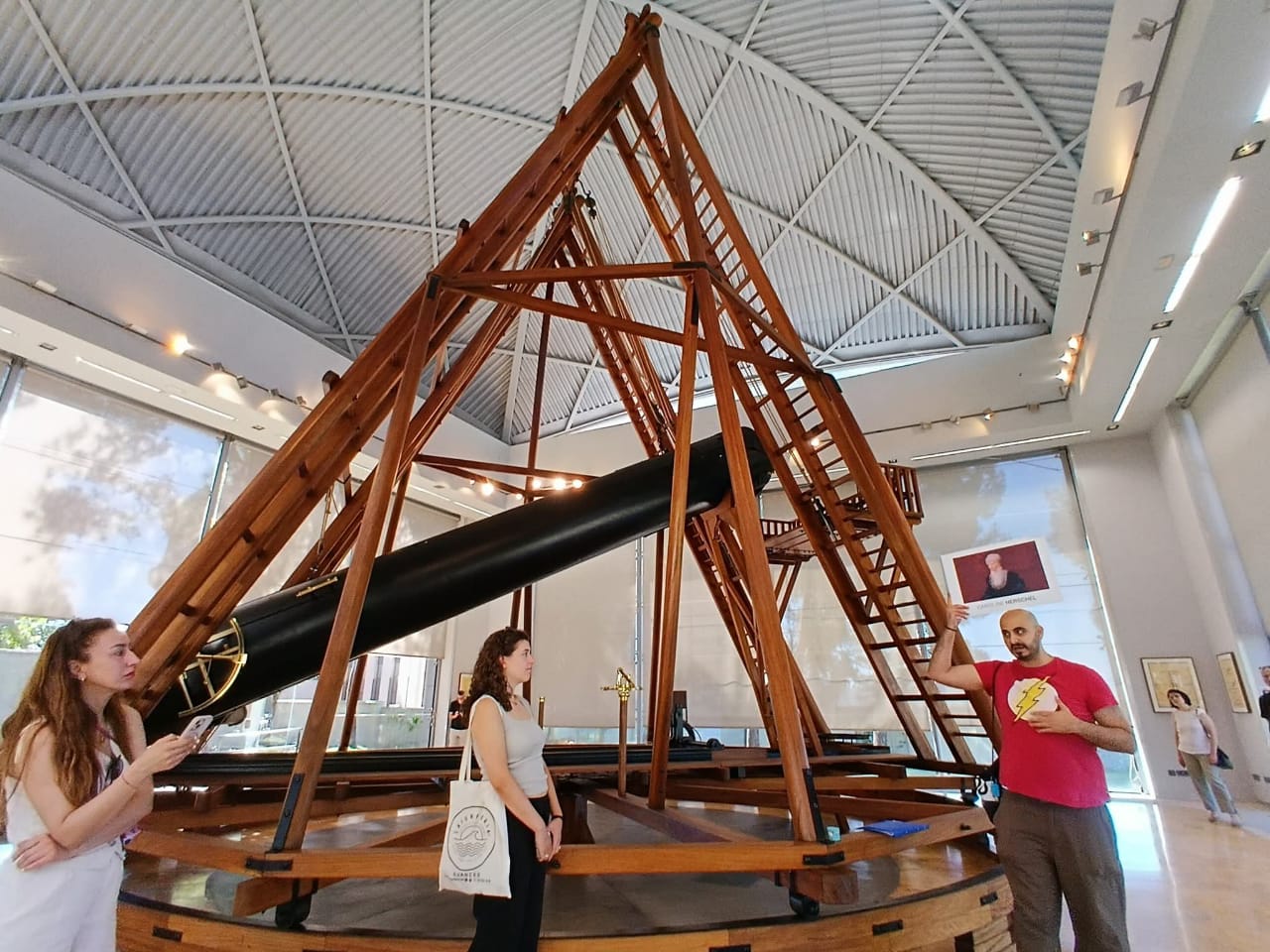
🔭 হার্শেল টেলিস্কোপ– স্যার উইলিয়াম হার্শেলের হাতে নির্মিত এক বৃহৎ প্রতিফলক দূরবীন, যার আয়নার ব্যাস প্রায় ৬০ সেন্টিমিটার এবং ফোকাল লেন্থ ছিল ২৫ ফুট।
উল্লেখ করার মতো বিষয় হলো, উইলিয়াম হার্শেলের জ্যোতির্বিদ্যায় অবদান ছিল অসামান্য –
1. ইউরেনাস গ্রহের আবিষ্কার (১৭৮১)
টেলিস্কোপ ব্যবহার করে তিনি ইউরেনাস গ্রহ আবিষ্কার করেন।
এটি আধুনিক যুগে প্রথম নতুন গ্রহের সন্ধান, যা সৌরজগতের সীমানা প্রসারিত করেছিল।
2. তারকা ও নীহারিকার তালিকা প্রণয়ন
তিনি সারা আকাশ পর্যবেক্ষণ করে হাজার হাজার তারা, তারকাগুচ্ছ ও নীহারিকা নথিভুক্ত করেছিলেন।
তাঁর বোন ক্যারোলিন হার্শেলকে সঙ্গে নিয়ে তিনি প্রথম দিকের একটি বিস্তৃত তারকা-তালিকা তৈরি করেন, যা আধুনিক নাক্ষত্রিক জ্যোতির্বিজ্ঞানের ভিত্তি স্থাপন করে।
3. যুগল তারকার (Binary Stars) অধ্যয়ন :
তিনি অসংখ্য যুগল তারা চিহ্নিত ও পর্যবেক্ষণ করেন।
তাঁদের গতিবিধি বিশ্লেষণ করে প্রমাণ করেন যে, নিউটনের মহাকর্ষ সূত্র সৌরজগতের বাইরেও কার্যকর।
4. অবলোহিত বিকিরণ (Infrared Radiation)-এর আবিষ্কার (১৮০০)
সূর্যালোক ও প্রিজম নিয়ে পরীক্ষা করার সময় তিনি অবলোহিত বিকিরণ আবিষ্কার করেন।
এর মাধ্যমে প্রমাণিত হয় যে দৃশ্যমান আলোর বাইরেও অদৃশ্য আলোকরশ্মি বিদ্যমান।
5. বৃহৎ টেলিস্কোপ নির্মাণ :
তিনি নিজেই বহু বৃহৎ প্রতিফলক টেলিস্কোপ তৈরি করেছিলেন, যার মধ্যে ৪০ ফুট দৈর্ঘ্যের টেলিস্কোপ বিশেষভাবে উল্লেখযোগ্য।
এগুলির সাহায্যে মহাবিশ্বকে অনেক গভীরভাবে দেখা সম্ভব হয়েছে।
ভাবলে অবাক লাগে, সেই সময়ে টেলিস্কোপের মাধ্যমে শুধু পর্যবেক্ষণই করা হতো না, বরং প্লেটের ওপর মহাজাগতিক বস্তুগুলির ছবিও তোলা হতো। এই ছবিগুলি আজও বিজ্ঞানের ইতিহাসে এক গুরুত্বপূর্ণ দলিল।
এছাড়াও এখানে আছে –
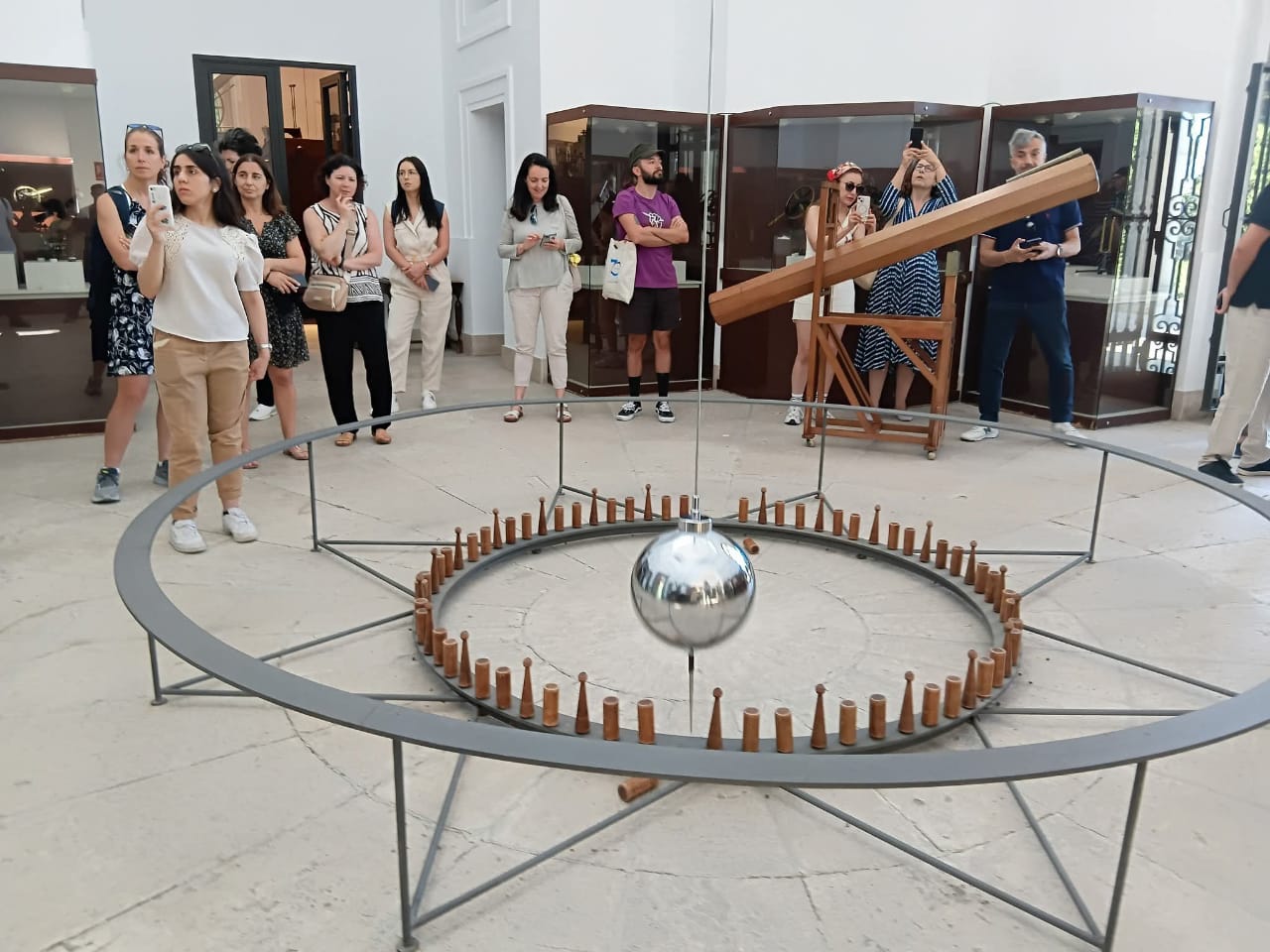
ফুকো পেন্ডুলাম – লাইব্রেরির কেন্দ্রীয় গম্বুজের নিচে স্থাপিত এই পেন্ডুলাম পৃথিবীর ঘূর্ণনের এক অনন্য প্রমাণ।
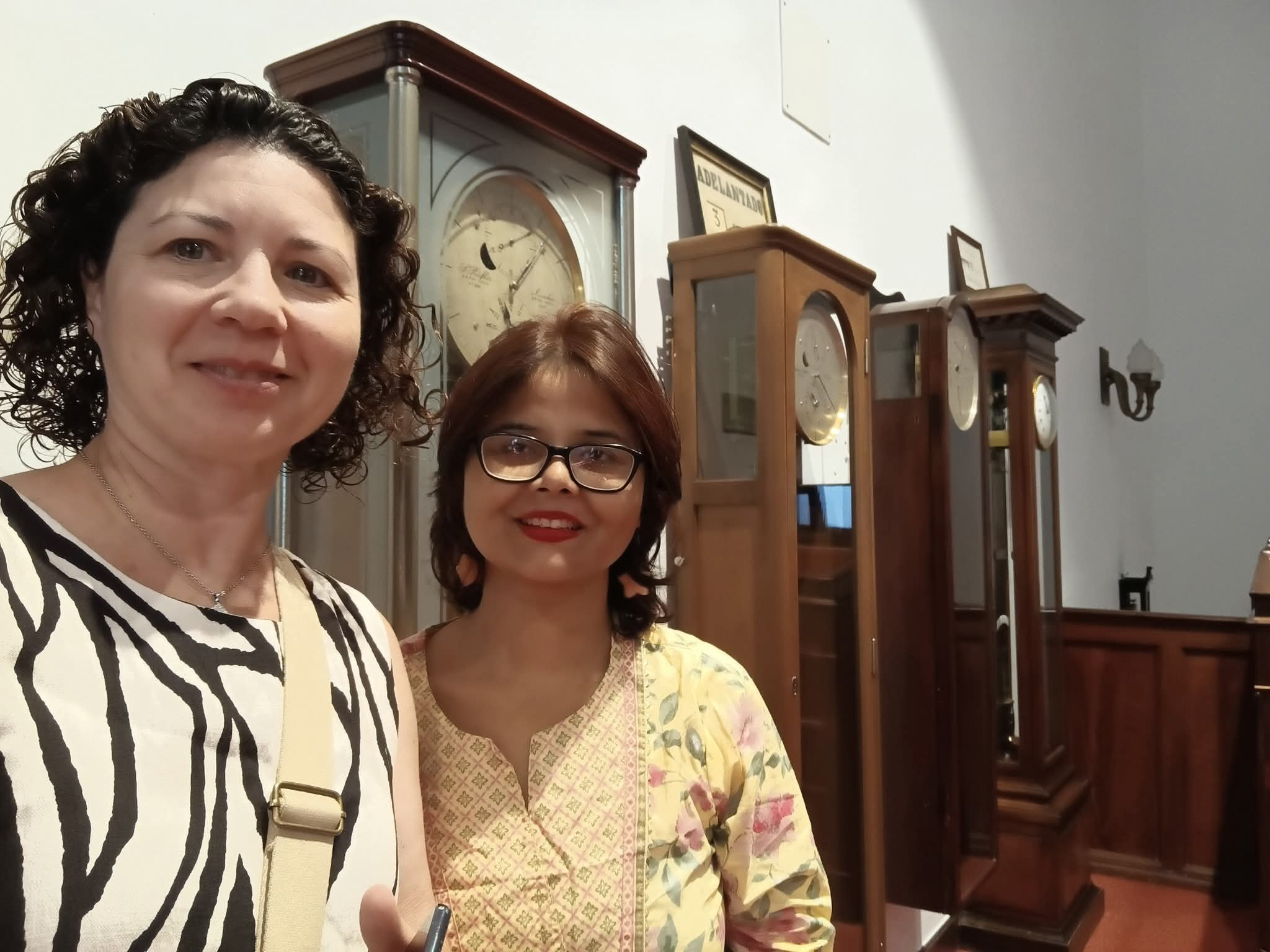
🕰️ ঐতিহাসিক জ্যোতির্বিদ্যা-সম্পর্কিত ঘড়ি – যা সময় মাপা ও মহাজাগতিক পর্যবেক্ষণের জন্য ব্যবহৃত হতো।
🌍 ভূমিকম্প মাপার যন্ত্র– এখানে রয়েছে ভূমিকম্প মাপার জন্য ব্যবহৃত নানা উন্নত ধরনের সিসমোগ্রাফ এবং বৈজ্ঞানিক যন্ত্রপাতি।
##GTTP2025
On the last day of this year’s Galileo Teachers Training Program, we visited the famous Royal Observatory of Madrid (Real Observatorio de Madrid)**, a priceless treasure in the scientific history of Spain.
Founded in 1790 under the initiative of King Charles IV, this observatory was established to advance research in navigation, cartography, astronomy, and meteorology.
Here we witnessed some unique scientific treasures –
🔭 Herschel Telescope– a large reflecting telescope built by Sir William Herschel, with a mirror diameter of about 60 cm and a focal length of 25 feet.
🙂 It is worth mentioning that William Herschel made significant contributions to astronomy –
1. Discovery of Uranus (1781)
Using his telescope, Herschel discovered Uranus.
This was the first new planet to be identified in modern times, expanding the boundaries of the Solar System.
2. Cataloguing Stars and Nebulae
He systematically observed the night sky and recorded thousands of stars, clusters, and nebulae.
Along with his sister Caroline Herschel, he created one of the earliest comprehensive star catalogs, which laid the foundation of modern stellar astronomy.
3. Study of Binary Stars
Herschel identified and studied many double stars.
By analyzing their motions, he showed that Newton’s law of gravitation applies beyond the Solar System.
4. Discovery of Infrared Radiation (1800)
While experimenting with sunlight and prisms, he discovered infrared radiation, proving the existence of invisible forms of light beyond the visible spectrum.
5. **Construction of Large Telescopes**
Herschel himself built many large reflecting telescopes, the most notable being his 40-foot telescope.
These instruments enabled astronomers to observe the universe in greater depth than ever before.
Apart from this, the observatory also houses –
⏳ **Foucault Pendulum** – placed under the central dome of the library, demonstrating Earth’s rotation.
🕰️ **Historical astronomical clocks** – used to measure time and for celestial observations.
🌍 **Seismographs** – advanced instruments designed to measure earthquakes.
It is truly fascinating to imagine that, even in those times, astronomers not only made observations with telescopes but also captured images of celestial objects on photographic plates. These plates remain invaluable records of science and history even.
লেখিকা : শ্রীমতি রিংকু দাস, পদার্থ বিজ্ঞানের শিক্ষিকা, বারুইপুর গার্লস হাই স্কুল (উ মা )